Integrating Intricate Easter Bunny Design into Professional Creative Workflows
In the landscape of seasonal digital fabrication and graphic design, the transition from a conceptual idea to a tangible product relies heavily on the quality and versatility of source assets. An Intricate Easter Bunny Design represents more than just a holiday motif; it is a complex vector asset that serves as a foundational element for diverse production pipelines. For professionals ranging from small business owners to freelance educators, understanding how to integrate such a detailed file into existing workflows is crucial for maintaining efficiency and ensuring high-quality outcomes.
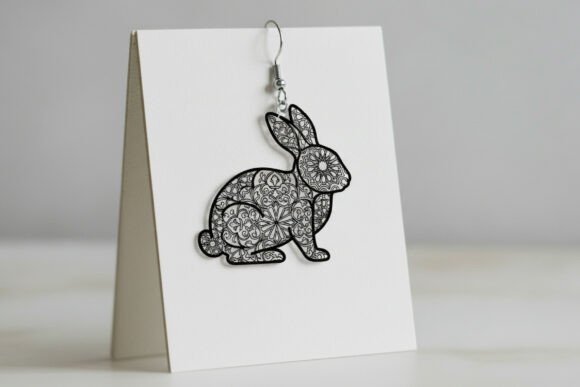
At its core, this type of design features ornate patterns and filigree work that transform a standard silhouette into a piece of artistic craftsmanship. Unlike simple clip art, an intricate design requires careful handling during the planning phase. It fits into a broader process where aesthetic appeal must be balanced with technical feasibility, particularly when the end goal involves physical manufacturing methods like laser cutting or precision printing.
Strategic Planning and Asset Selection
The integration of an Intricate Laser Cut Easter Bunny Design begins long before the machine is powered on. It starts during the project scoping and asset selection phase. When evaluating potential designs for a commercial run or a custom client gift, the decision-maker must assess not only the visual style but also the technical specifications of the file. A professional workflow demands assets that offer flexibility.
Consider the scenario of a maker preparing for a spring market. The choice of design dictates the material usage, machine time, and finishing requirements. An ornate bunny with dense filigree will behave differently on acrylic versus wood. Therefore, the selection process involves reviewing the available file formats. A robust package typically includes AI, EPS, SVG, DXF, PNG, and JPG files. Each format serves a specific function within the workflow:
- SVG and DXF: Essential for vector-based machinery. These formats ensure that the intricate lines remain crisp regardless of scaling, which is vital for laser cutters and CNC routers.
- AI and EPS: Ideal for graphic designers who need to manipulate individual anchor points or integrate the bunny into larger composite illustrations within Adobe Illustrator.
- PNG and JPG: Useful for rapid prototyping, digital marketing materials, or previewing the design on mockups before committing to physical production.
By securing a high-resolution file that is easy to resize without quality loss, creators eliminate a common bottleneck: the need to redraw or vectorize low-quality images. This preparation step ensures consistency across different output sizes, from small ornaments to large decorative panels.
Implementation in Digital Fabrication
Once the asset is selected, the workflow moves to the implementation stage. For those utilizing laser cutting technology, the Intricate Easter Bunny Design requires specific preprocessing. The ornate nature of the pattern means there are many small details and potential weak points in the material. A practical approach involves analyzing the vector paths for continuity.
Before sending the job to the laser cutter, it is advisable to simulate the cut path in the machine's software. This helps identify areas where the intricate filigree might cause the material to fracture or where support bridges may be necessary to hold small internal pieces in place. This quality control step is critical for maintaining the structural integrity of the final product. Furthermore, the compatibility of the design with popular design software allows for easy adjustments. If a client requests a specific size modification, the vector nature of the SVG or DXF file allows for instant resizing while preserving the delicate line weights.
For educators teaching digital fabrication, this design serves as an excellent case study. It demonstrates the relationship between design complexity and material limitations. Students learn that a beautiful design on screen must also be physically viable. They can experiment with different power and speed settings on the laser cutter to see how the intricate patterns affect burn marks and edge quality on various materials like plywood, MDF, or acrylic.
Applications in Print and Digital Media
Beyond physical crafting, the utility of an Intricate Easter Bunny Design extends into print and digital domains. Marketers and publishers often require seasonal assets that stand out in a crowded visual landscape. The detailed patterns of this specific design offer a level of sophistication that simple graphics lack, making it suitable for high-end packaging, greeting cards, or limited-edition product labels.
In a print workflow, the high-resolution capability of the file ensures that the fine lines of the filigree do not blur or pixelate, even when printed at large dimensions. This is particularly important for offset printing or large-format signage where detail retention is paramount. The availability of multiple file formats facilitates seamless handoffs between departments. A graphic designer can work in the AI file, while a web developer can utilize the SVG for responsive web graphics that scale perfectly on mobile devices without increasing load times significantly.
For bloggers and content creators, the design can be used to create unique social media assets or blog headers. The elegance of the ornate pattern aligns well with brands that position themselves as premium or artisanal. By integrating this asset into their content calendar early, creators can maintain a consistent visual theme throughout the Easter season without resorting to generic stock imagery.
Optimizing Efficiency and Consistency
A key advantage of using a pre-made, professional-grade Intricate Laser Cut Easter Bunny Design is the reduction in production time. Developing such a complex pattern from scratch requires significant skill and hours of drafting. By leveraging a ready-to-use asset, professionals can reallocate that time to other critical aspects of the project, such as material sourcing, finishing techniques, or marketing strategy.
Consistency is another major factor. When producing a batch of items for sale or distribution, every unit must look identical. A standardized digital file ensures that the tenth item produced looks exactly like the first. This reliability builds trust with customers and clients. Moreover, the organized structure of the layers in formats like AI or EPS allows for easy customization. Colors can be swapped, backgrounds added, or specific elements isolated without compromising the overall design integrity.
Long-term use is also a consideration. A versatile design asset is an investment. While intended for Easter, the stylistic elements of an ornate bunny can be adapted for year-round decor if the context is shifted, or used as a template for future holiday designs by modifying the outer silhouette while retaining the internal pattern logic. This adaptability maximizes the return on investment for the asset purchase.
Practical Tips for Integration
To smoothly integrate this design into your routine, consider the following practical observations:
- Verify Scale Early: Always check the dimensions of the imported file against your material sheet size to minimize waste.
- Test Cuts: Before running a full batch, perform a test cut on a scrap piece of the intended material to gauge how the intricate details hold up.
- Layer Management: Keep your working files organized. Separate cut lines from engrave lines if your workflow supports both, utilizing the vector data effectively.
- Backup Assets: Store the original high-resolution files in a secure, backed-up location. Having access to the raw SVG or DXF ensures you can always revert to the source if edits go wrong.
- Client Communication: If working with clients, use the PNG or JPG previews to get approval on the design concept before committing to the time-intensive setup of the vector files for production.
In conclusion, the Intricate Easter Bunny Design is a powerful tool in the modern creator's arsenal. Its value lies not just in its aesthetic beauty but in its technical robustness and adaptability across various platforms and processes. By understanding how to leverage its file formats, respecting the constraints of physical manufacturing, and integrating it thoughtfully into planning and execution phases, professionals can achieve superior results. Whether for a small craft business, an educational setting, or a corporate marketing campaign, this asset facilitates a workflow that is both efficient and creatively fulfilling.